



3 Practical ways to reduce business travel stress
Business travel can be both exciting and stressful. While it provides opportunities for professional growth and new experiences, it can also be a source of anxiety, discomfort, and burnout.
Between the often-packed layovers, middle seat squabbles, meetings and meals on the go, travel can be a stressful experience – however, with the right planning and preparation, it’s possible to reduce these stressors and make business travel a more positive and enjoyable experience.
Often referred to as business travel stress, this reflects the physical and mental strain employees experience when managing tight schedules, frequent travel, disrupted routines, and ongoing work expectations while on the road.
This blog outlines three practical ways to help reduce business travel stress, enabling you to support company goals and travel program requirements without sacrificing the traveler experience.
1. Review your travel policy to reduce business travel stress
An overly complex travel policy can make business travel stressful, while an outdated one will not address your traveler’s needs. Start by refreshing your travel policy each year to reduce friction points and include elements focused on enhancing the traveler experience.
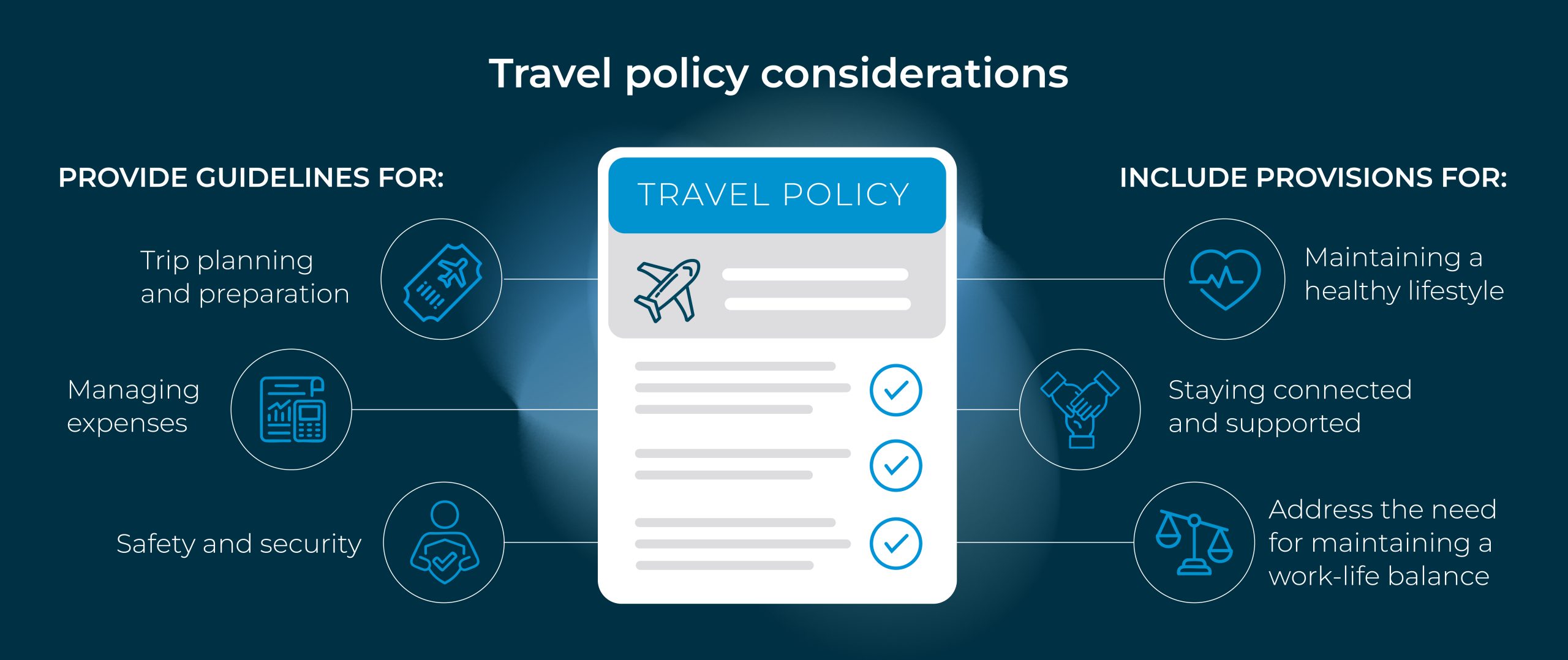
Some areas for consideration are:
- Provide guidelines for trip planning and preparation, such as booking in advance and ensuring the accommodation is booked in a convenient location for the purpose of the trip and car hire pick up and drop off locations are logical for the itinerary.
- Include provisions for maintaining a healthy lifestyle while traveling, such as access to healthy food options, opportunities for exercise, and strategies for managing stress.
- Provide guidelines for managing expenses related to business travel, including reimbursement procedures, per diem allowances, and guidelines for choosing cost-effective travel options.
- Provide guidelines for ensuring the safety and security of business travelers, including tips for staying safe in unfamiliar environments, and procedures for reporting incidents.
- Include provisions for staying connected and supported while on the road, such as access to secure communication tools, a designated point of contact for emergencies, and resources for addressing mental health and well-being.
- Address the need for maintaining a work-life balance while on the road, such as guidelines for scheduling time for rest and recreation, and support for managing the demands of work and travel.
2. Plan for comfort and convenience to support traveler well-being
Business travelers should be able to consider their comfort needs when making travel arrangements and choose options that best meet those needs within the parameters of their travel policy. This might mean booking a business-class seat based on travel time to ensure they are well-rested upon arrival, or securing accommodation from the night before so they can check straight in, shower and change if needed.
Taking advantage of downtime will help travelers relax and recharge. Physical activity might be one way travelers wish to use their downtime and can help alleviate stress, and tension, and promote overall well-being. This means travelers should have access to hotels that have onsite health facilities or wellness programs.
Make sure your online booking tools are mobile optimized and mobile apps are configured for the best possible traveler experience. This will ensure your travelers have their travel information at their fingertips.
3. Share perks and upgrades with your business travelers
Leverage your airline rewards and supplier-negotiated perks to incentivize road warriors and reduce friction elements on high-stress trips. In addition to individual frequent flyers and other travel reward program, businesses can leverage company and other supplier reward programs to return perks to travelers—such as lounge access, seat upgrades, or status upgrades.
You can also leverage the frequency of your company’s travel into tangible rewards for your travelers. For example, monitor complex international itineraries for opportunities to redeem class upgrades for long-haul flights, improving the traveler experience and saving your travel budget.
Where possible, look at your frequent travelers and use frequency as an indicator to distribute complimentary lounge access or seat upgrades on domestic flights. Finally, by honing in on specific elements of your travel program and implementing regular surveys and feedback loops with your travelers, you can ensure that your traveler experience is fully optimized.
Discover how a well-designed travel program can reduce stress and improve the traveler experience.
Contact our expert team today to get started.
What causes stress during business travel?
Business travel stress is commonly caused by long travel days, complex itineraries, unclear travel policies, disrupted routines, and pressure to perform while away from home.
How can a travel policy reduce business travel stress?
A clear and up-to-date travel policy reduces stress by simplifying booking decisions, setting realistic expectations, supporting well-being, and ensuring travelers know where to get help when issues arise.
Why is traveler comfort important in corporate travel programs?
Traveler comfort supports productivity, reduces fatigue, and helps employees arrive ready to perform, especially on long-haul or complex trips.
Do travel perks and rewards improve the traveler experience?
Yes. Perks such as lounge access, seat upgrades, and priority services reduce friction, save time, and make frequent travel more sustainable for employees.
How can companies support employee wellbeing during business travel?
Companies can support well-being by offering flexible travel policies, access to wellness-friendly accommodation, clear communication tools, and regular feedback channels for travelers.